
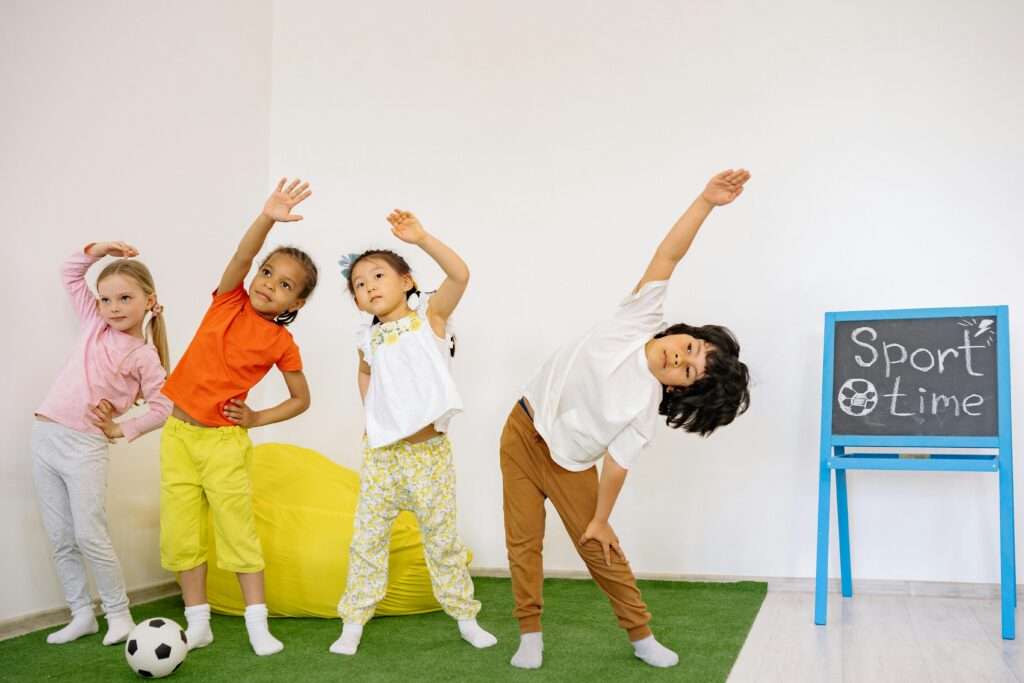
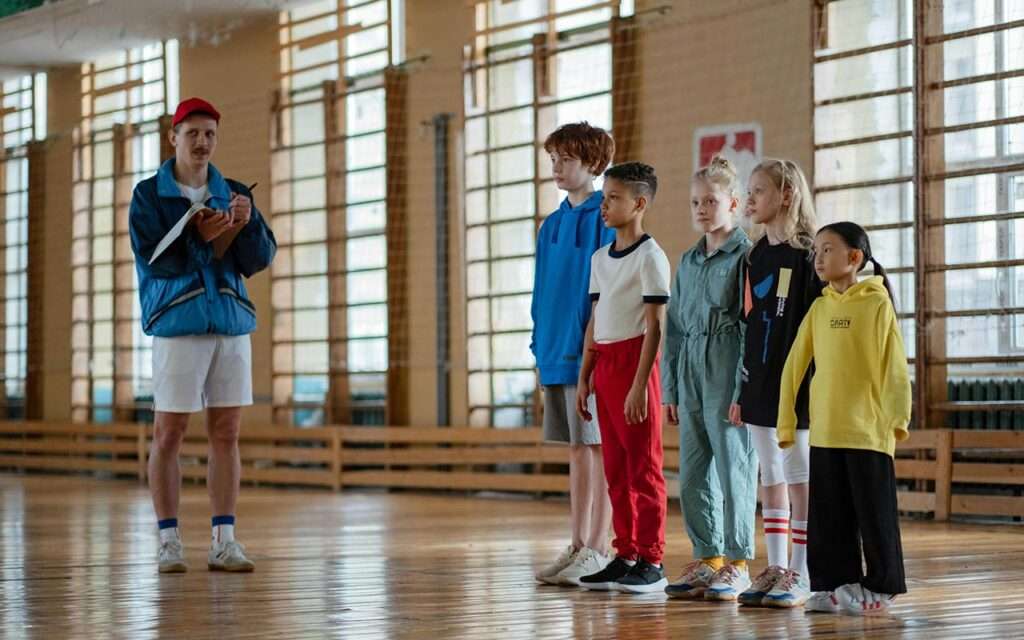
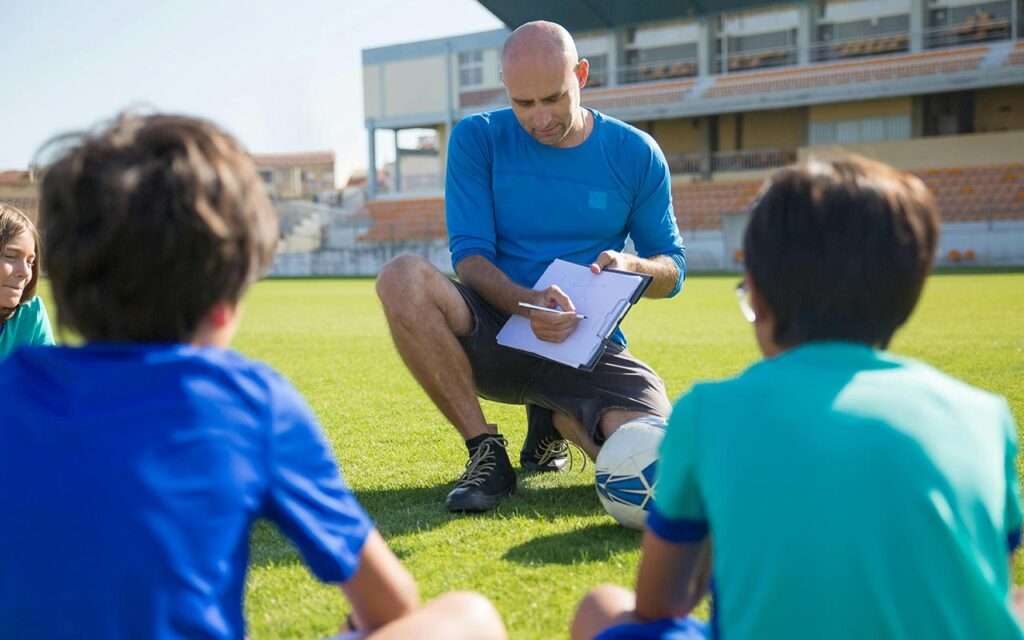
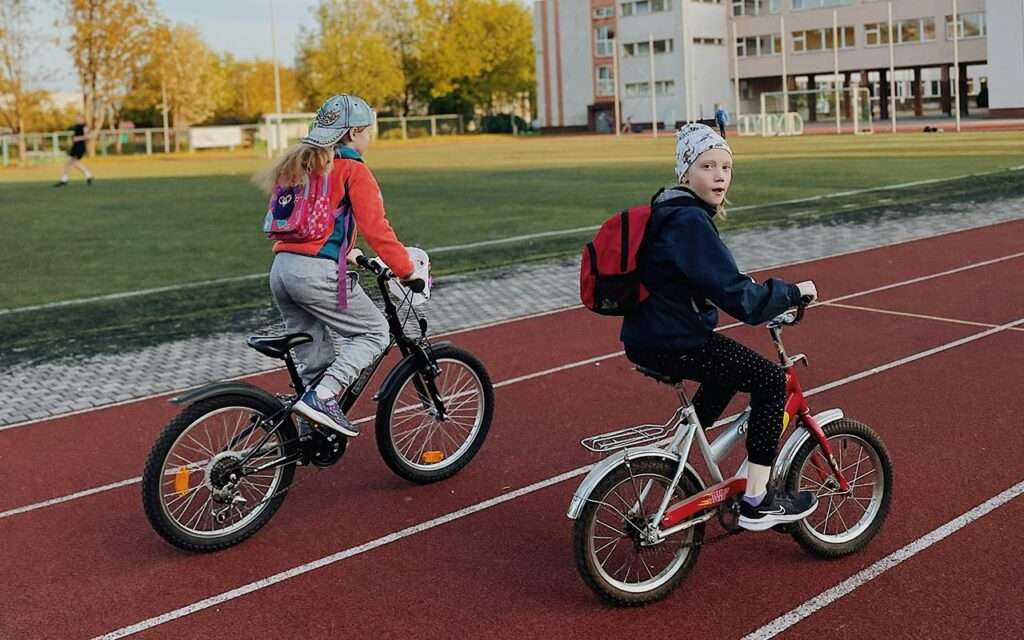
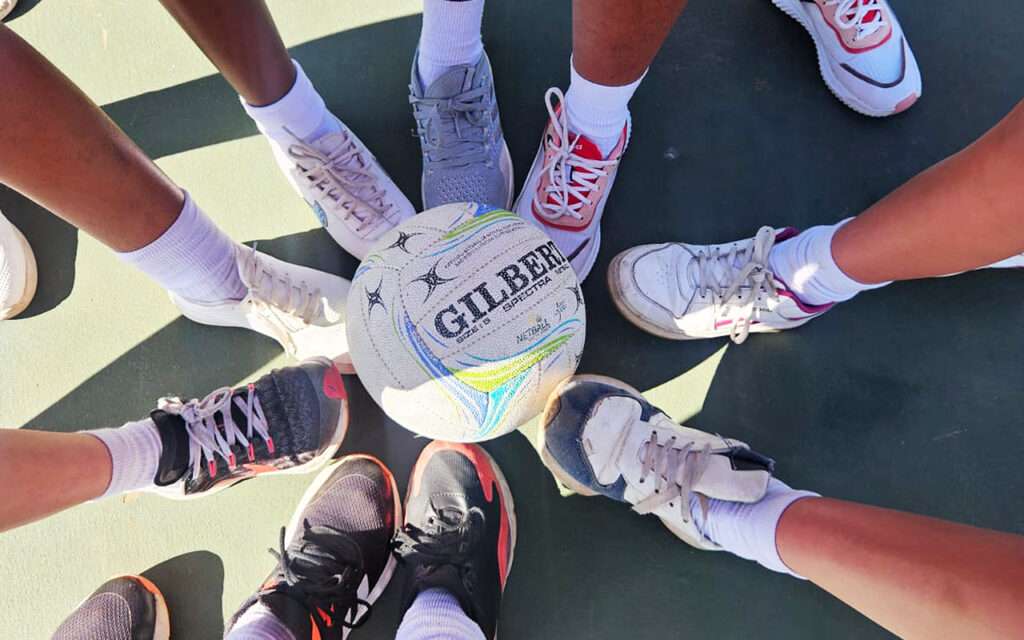
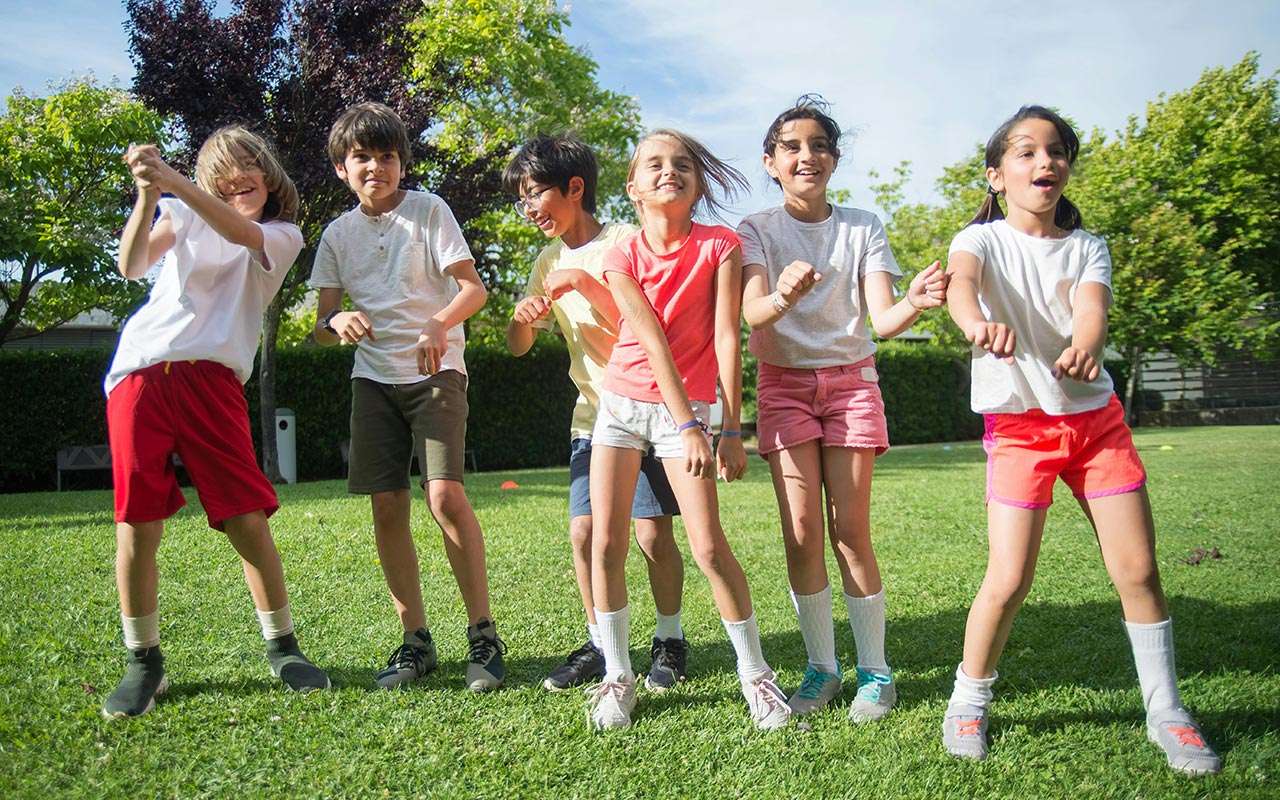

At Lantern School, our primary goal of sport is to support the holistic development of all our learners by enhancing their physical, emotional, and social well-being. Athletics, rugby, netball, soccer, cross country, cycling and tennis provide structured opportunities for learners to improve motor coordination, build physical fitness, and develop self-discipline.
These activities are particularly beneficial for learners with barriers to learning, as they encourage focus, reduce stress, and offer positive outlets for energy. Through regular participation in sports, students can gain confidence in their abilities and experience success in areas outside of the traditional academic environment.
Another important goal of sport at Lantern School is to foster teamwork, communication, and social integration. Many learners may struggle with interpersonal skills and team sports like rugby, soccer, and netball provide a platform to practice cooperation and mutual respect. Individual sports such as cycling, athletics, cross country, and tennis help instil perseverance and goal setting, while still allowing for peer support and encouragement.
These experiences help create a sense of belonging and community within the school, promoting emotional growth and resilience. Ultimately, sports play a crucial role in helping learners overcome challenges and build a foundation for future success.
Why Does Lantern School Offer Sports?
1. Builds Physical Health & Prevents Disease
- School sports help students meet the World Health Organization’s recommendation of 60+ minutes of moderate to vigorous activity daily, strengthening bones, muscles, the heart and lungs, and lowering obesity risk.
- In South Africa, the Department of Basic Education designates sports as foundational to learner development, promoting physical well-being and helping prevent lifestyle diseases early in life.
2. Supports Mental & Emotional Well-Being
- Physical activity releases endorphins that reduce stress, anxiety, and depression, while boosting self-esteem and emotional balance.
- A recent European study revealed that each extra hour of daily activity around age 11, reduces the risk of a later psychiatric diagnosis by 20–35 percent, showing a critical “resilience‐building” window in early adolescence.
3. Enhances Academic & Cognitive Skills
- Rather than undermining academic performance, sports help sharpen attention, memory, executive function and decision making.
- One Dutch study found that children on team sports (like soccer or volleyball) performed better on executive function tests compared to those who played none or only individual sports.
4. Cultivates Social Skills, Teamwork & Belonging
- Participating in team sports in school helps students learn communication, cooperation, empathy and how to support peers, forging friendships across social lines.
- In South Africa, schools use sports to counter exclusion and build community cohesion — for instance integrating learners with disabilities or HIV into shared activities.
5. Develops Life Skills & Character
- Sports teach discipline, goal setting, time management, perseverance under pressure, and leadership — traits transferable to studying and life beyond school.
6. Encourages Healthy Habits for Life
- Exposure to regular physical activity at a young age fosters long-term exercise habits, better nutritional awareness, and resistance to sedentary lifestyles and addictions.
7. Promotes Social Development & Safety
- School sports offer structured, positive environments that keep students engaged and away from potentially risky behaviours on the streets — the South African education department highlights this anti-violence and crime prevention role.
- International “sport for development” programs similarly use athletics to support underprivileged youth, forging social change and stronger communities.
8. Supports Inclusivity & Adapted Participation
- Inclusive physical education ensures that all learners — including those with disabilities — can participate safely, enhancing motor skills, emotional health and social belonging.
Special Insight: Why Playing More Than One Sport Matters
Recent research shows students engaging in multiple sports during school do better long-term than those who specialize too early. Across rugby, basketball, football and Olympic athletes — playing various sports before high school correlates with higher success rates and fewer injuries.
At a Glance: How Sports Help Lantern School's Children
Physical Health
Improves fitness, reduces chronic disease risk
Mental Well-Being
Lowers stress, builds resilience, enhances mood
Academic Achievement
Boosts concentration, memory, planning abilities
Social Skills
Builds communication, belonging, respect
Character & Discipline
Develops responsibility, leadership, grit
Healthy Lifestyle
Encourages lifelong fitness & wellness habits
Social Inclusion
Fosters diversity, cohesion, and community safety
Adapted Participation
Ensures all students can join and benefit equally
Summary: Why Lantern School Prioritizes Sports
School sports aren’t just extracurricular — they’re a core investment in every student’s growth. They enhance physical and mental health, support academic success, build teamwork and character, and help form lifelong habits and inclusive communities — all essential in preparing young people for a healthier, happier future.
Sport Codes and Opportunities
All sport codes offer practices after school from 2pm – 3.30pm daily and each sport code has its own organiser.

1. Athletics
During the first term, Lantern School has athletics for the primary school and high school. Learners can qualify to attend 4 athletics meetings including the Gauteng Championships, whereby our learners can qualify for the South African Athletics Championships (SA’s).
2. Rugby
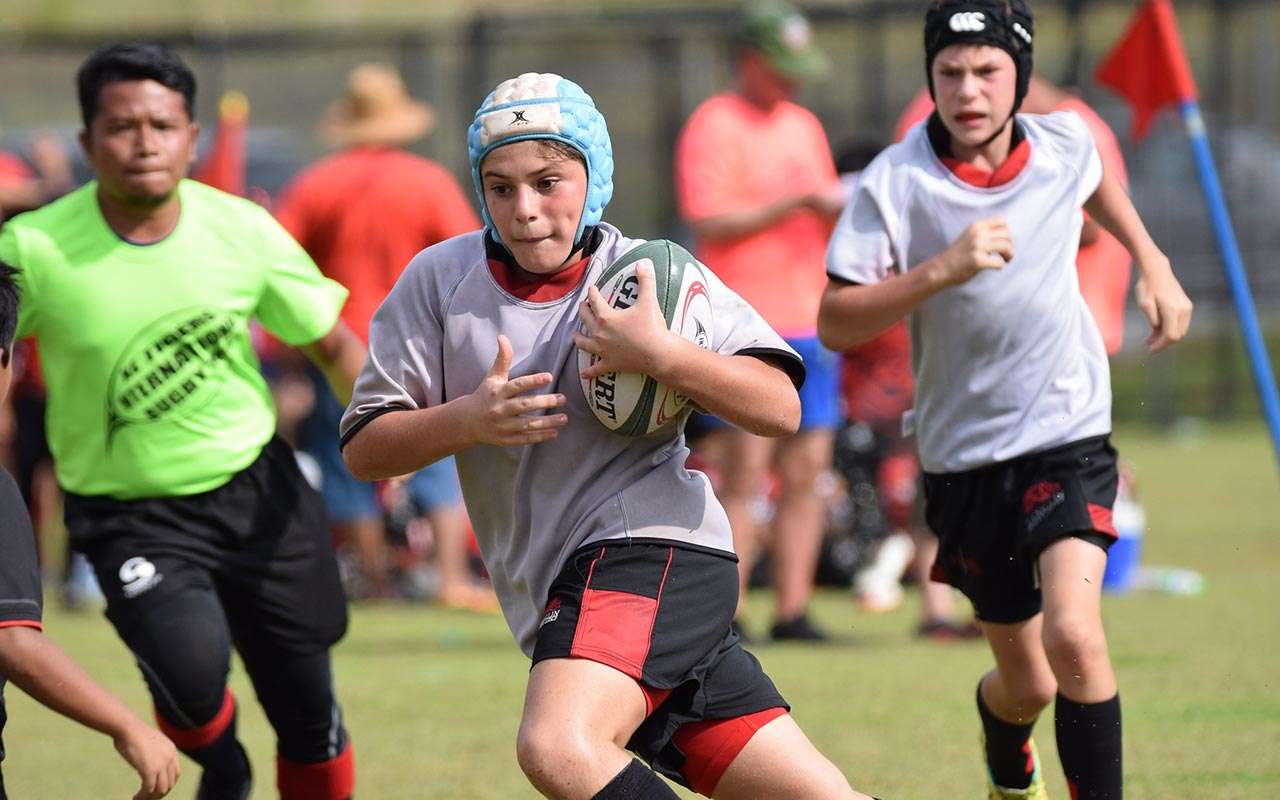
During the second term, Lantern School gives an opportunity for its rugby players to play in the MID/E.O Rugby League that consists of 9 schools. This is a highlight every year for our learners because they can qualify to play provincial rugby by representing the Golden Lions Special Schools at the national tournament (Cravenweek for Special Schools) — at this tournament our learners play against all the provinces in South Africa and they can get selected for the SA LSEN Team that plays annually in the Academic week for mainstream schools.
3. Netball
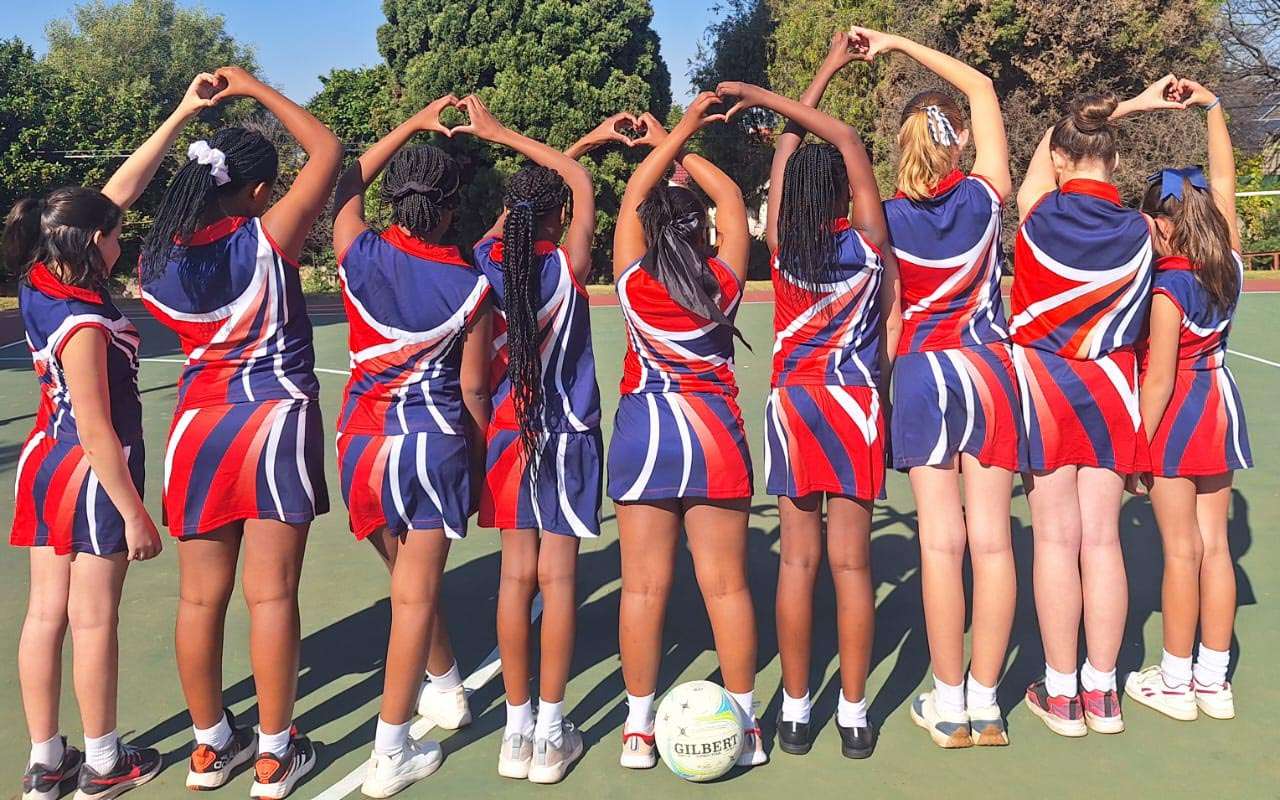
Lantern School offers netball for our primary and high school where they play in local leagues during term 2. They can qualify for mainstream schools Gauteng Championships and get the opportunity to qualify for the SA’s.

4. Cricket
During the third term, Lantern School gives an opportunity for its cricket players to play in the E.O Cricket league that consists of 5 schools. This is a highlight every year for our learners because they can qualify to play provincial cricket by representing the Lions E.O schools at the national tournament (LSEN CRICKET WEEK for special schools) — at this tournament our learners play against all the provinces in South Africa, and they can get selected for the SA LSEN Team that plays annually in a tournament.
5. Soccer
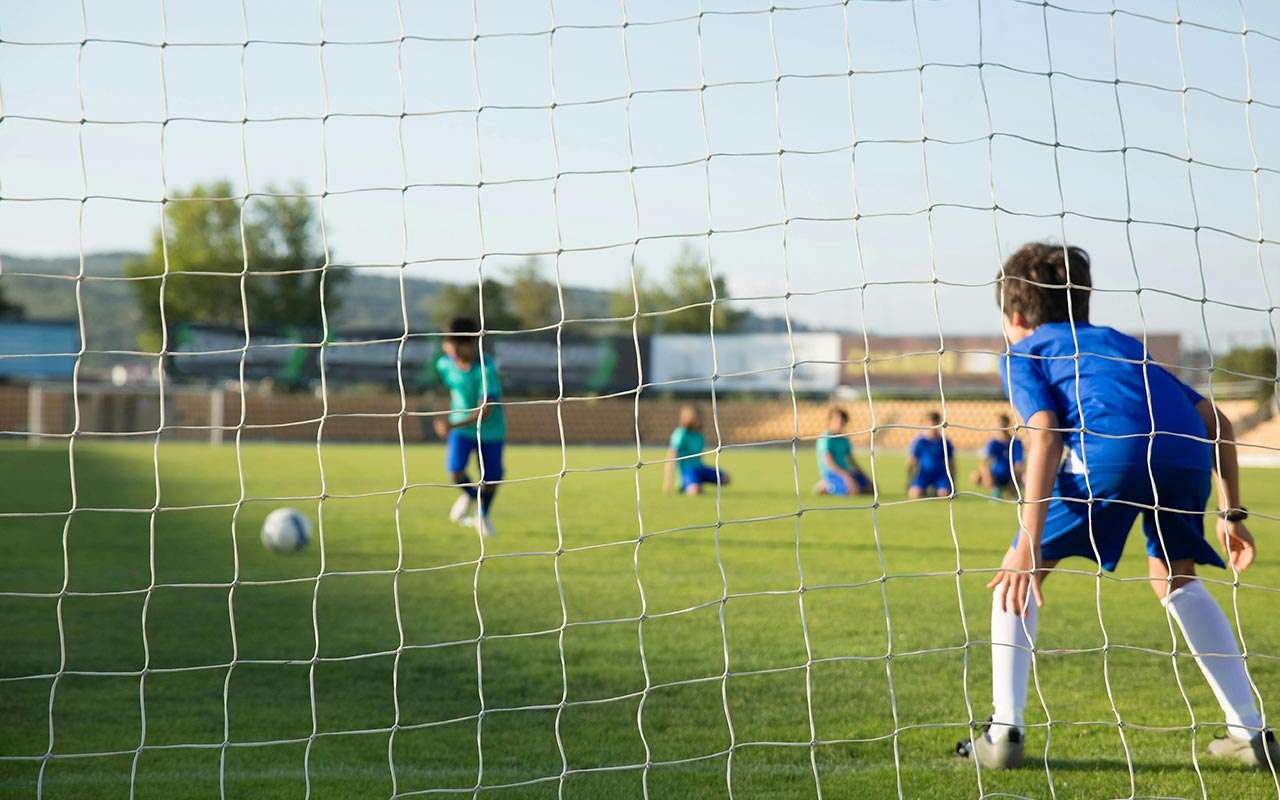
Lantern School offers soccer for both the primary and high school. The primary school plays in a mainstream league and our high school plays in a MID/EO soccer league during the 3rd term. There is opportunity to get selected for external teams that play in different tournaments.
6. Tennis
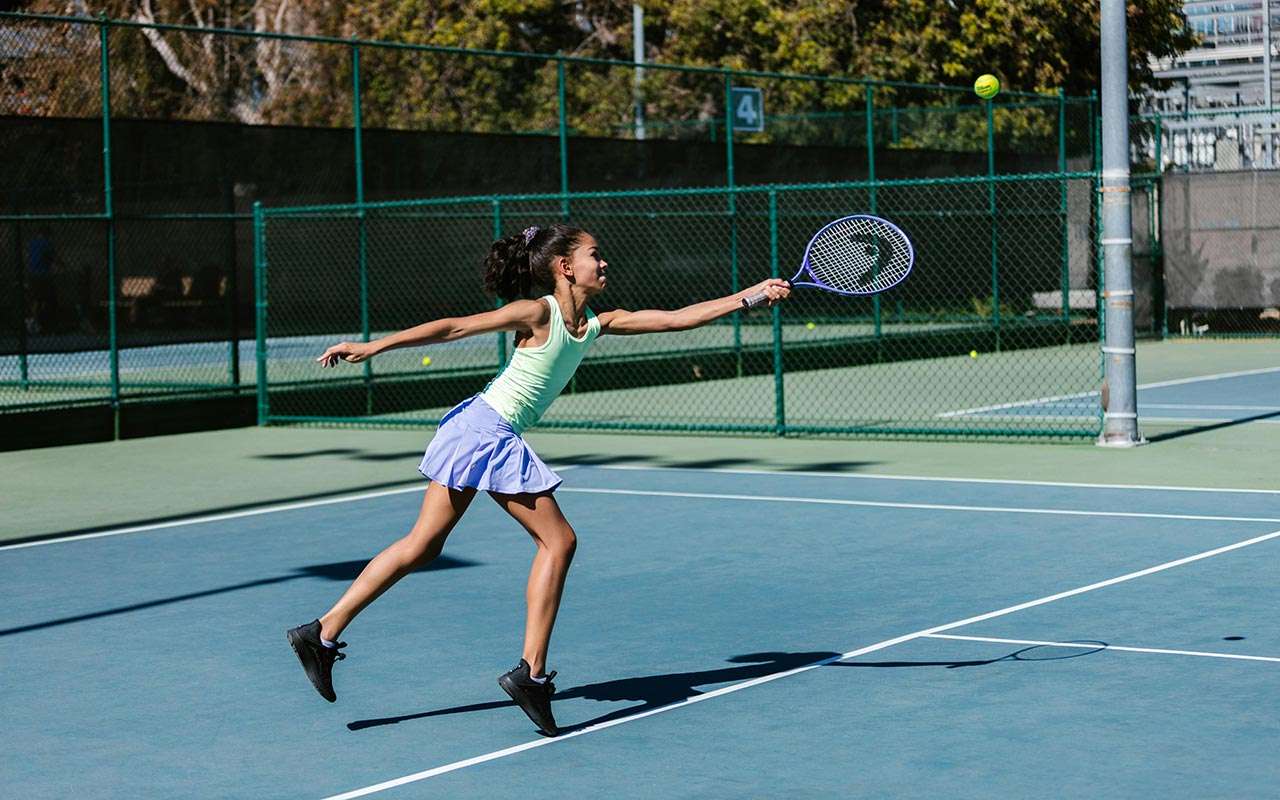
Lantern School offers tennis for the primary school and learners play in a local primary school league.
7. Cross Country
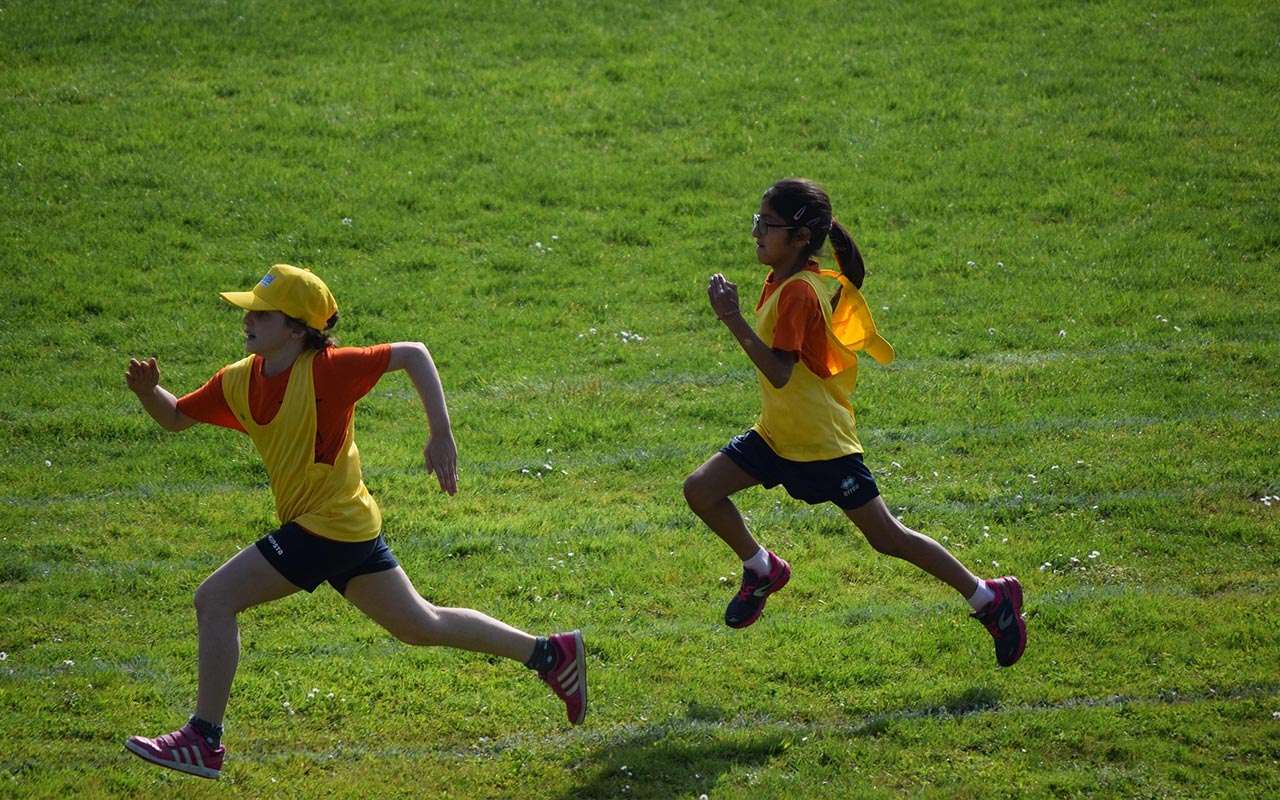
Lantern School offers cross country for both primary and high school learners during the 3rd term. Learners can qualify for the Gauteng Championships and then for the South African Championships.
8. Cycling
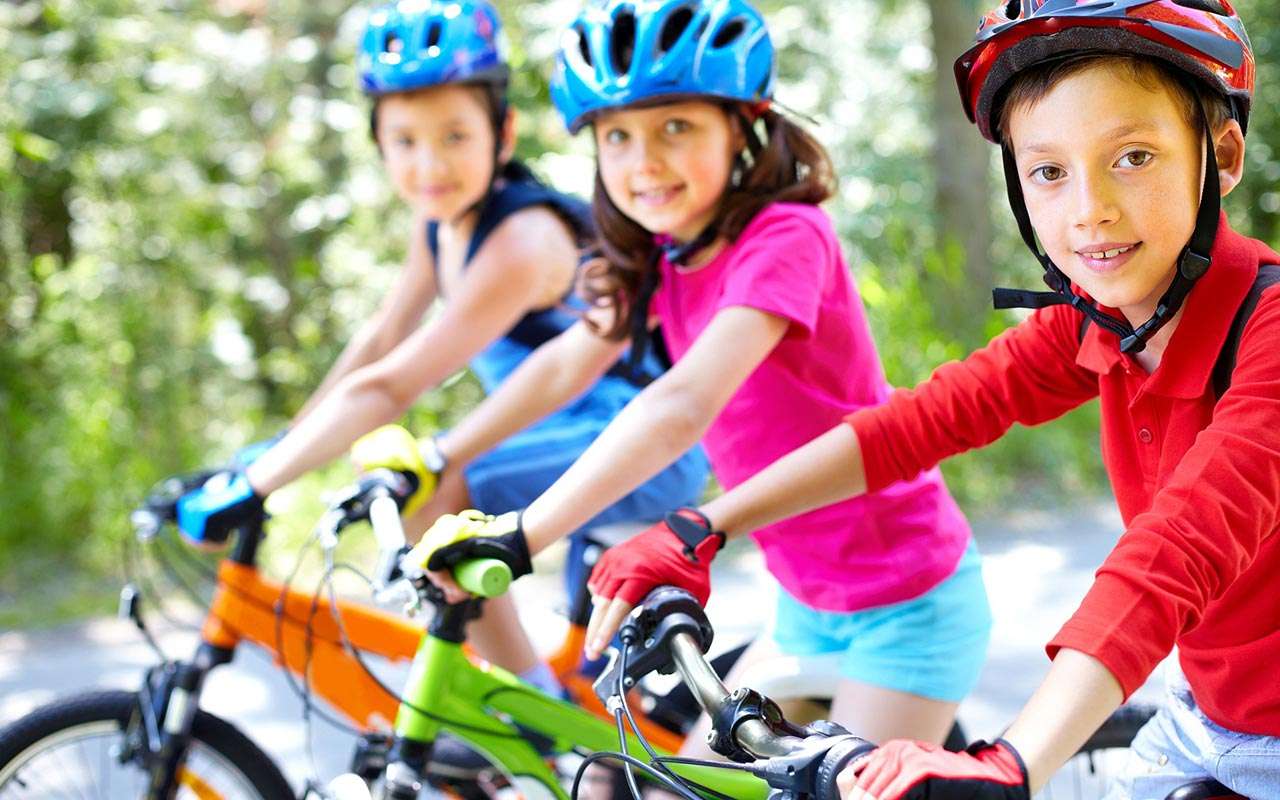
Lantern School offers cycling to its learners competing in a mainstream school league on Saturdays.
